
THE RESILIENT LEADER | LEADERSHIP LAB
detachment
Step back without switching off.
Create enough distance from difficult situations to think more objectively and make better choices about where to focus your attention and energy.
2 Hours | Live Online | Interactive
10,000+
Happy clients
25+
Years of experience
1,000+
Training courses enrolled
When you're too close to see
things clearly
It's easy to become absorbed in a problem, a difficult relationship or something
that simply isn't going the way you want.
You might find yourself thinking about it long after the working day has finished. Replaying conversations. Trying to change something you can't control. Giving one issue far more of your attention and energy than it deserves.
Detachment isn't about caring less or walking away. It's about creating enough distance to see the situation more objectively and decide what really needs your attention.
What we Will explore

Recognising when You're too close
Identify when you are becoming too absorbed in a problem, relationship or situation to see it clearly.

Creating internal distance
Learn practical ways to step back mentally and emotionally without ignoring, avoiding or withdrawing from the issue.

Setting Tactical boundaries
Recognise what deserves your attention and energy, establish boundaries and let go of what you cannot influence.

Re-engaging constructively
Return to the situation with greater objectivity and make a deliberate choice about what needs your attention, action or response.
How the Leadership Lab Works
This isn't a webinar or a lecture. You'll work with real situations, explore practical techniques and apply what you learn to your own leadership.
Bring a real challenge → Explore & practise → Apply it to your leadership
Trusted by organisations across the UK and Ireland






Your Leadership Lab Facilitator
Nigel McPolin
I'm an Occupational Psychologist and founder of Etimes2. For more than 25 years, I've worked with leaders and organisations to develop the skills and behaviours that help people lead effectively.
I developed the Resilient Leader framework from that work and from a simple observation: leadership becomes much more difficult when we're under pressure, dealing with uncertainty or when things simply aren't going to plan.
My Leadership Labs are practical and highly interactive. We'll work with real situations, explore the psychology behind our responses and identify practical ways to respond more effectively.
Who This is For?
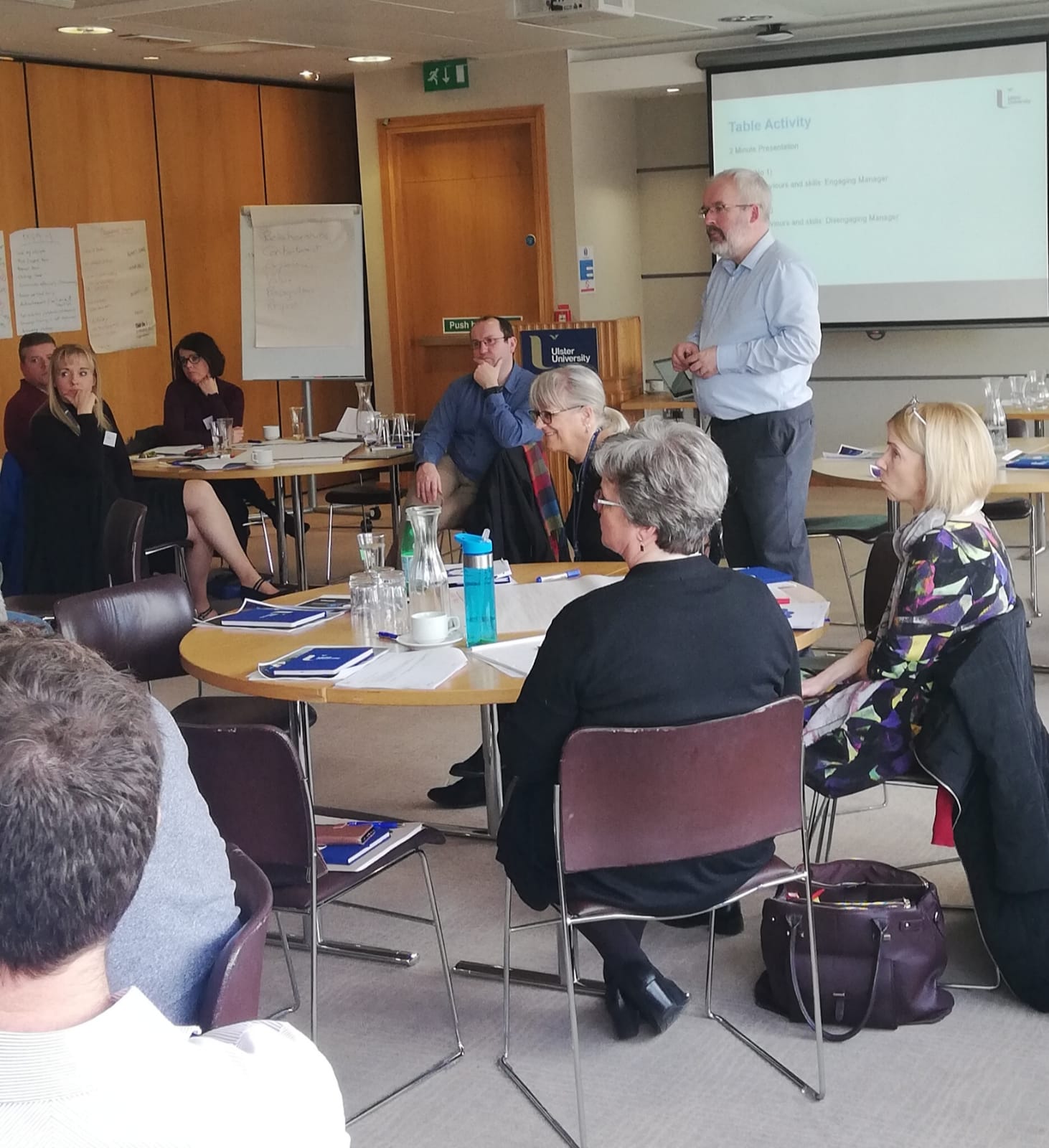

Leaders & Managers
Who want to remain effective when emotions are running high.

People Leading Through Challenge
Who regularly deal with pressure, difficult conversations, uncertainty or competing demands.

Leaders Who Want To Respond Better
Who recognise that how they respond when things get difficult affects the people around them.
10,000+ WORLDWIDE HAPPY delegates
what participants say
“You created a positive and supportive learning environment; delivery was clear, structured and engaging and included group discussion, practical exercises, reflection and real-life examples .”

“Delivery was easy-going, accommodating and interactive; you settled nerves naturally, created psychological safety, and gave clear, constructive guidance.”
“Compassionate, informed, approachable, patient and steady; makes complex concepts practical; feedback feels like “an invitation to grow”.”
STILL NOT SURE?
Frequently Asked Questions
Some Common Objections You May Have Are Already Answered
Is detachment about caring less or becoming less involved?
No. Detachment is not about disengaging or becoming indifferent. It is about creating enough distance from a situation to see it more objectively, decide what deserves your attention and then re-engage constructively.
How can I step back when I'm responsible for dealing with the problem?
Stepping back doesn't mean walking away. The Lab explores practical ways to create mental and emotional distance while remaining accountable for what needs to be done.
Can this help when I keep thinking about work after I've finished for the day?
Yes. We'll explore why some situations continue to occupy our attention and how boundaries, perspective and deliberate detachment can help us stop giving an issue more energy than it deserves.
What if the situation is genuinely outside my control?
That's where detachment can be particularly useful. We'll look at how to distinguish between what you can influence and what you cannot, so you can focus your attention and energy where they can actually make a difference.
Detachment Leadership Lab
Step back, regain objectivity and focus your energy where it matters.
Live Online Leadership Lab | 2 Hours | Thursday 29th October 10.00am - 12.00pm | £45
Copyrights 2025 | ETIMES2™ | Terms & Conditions